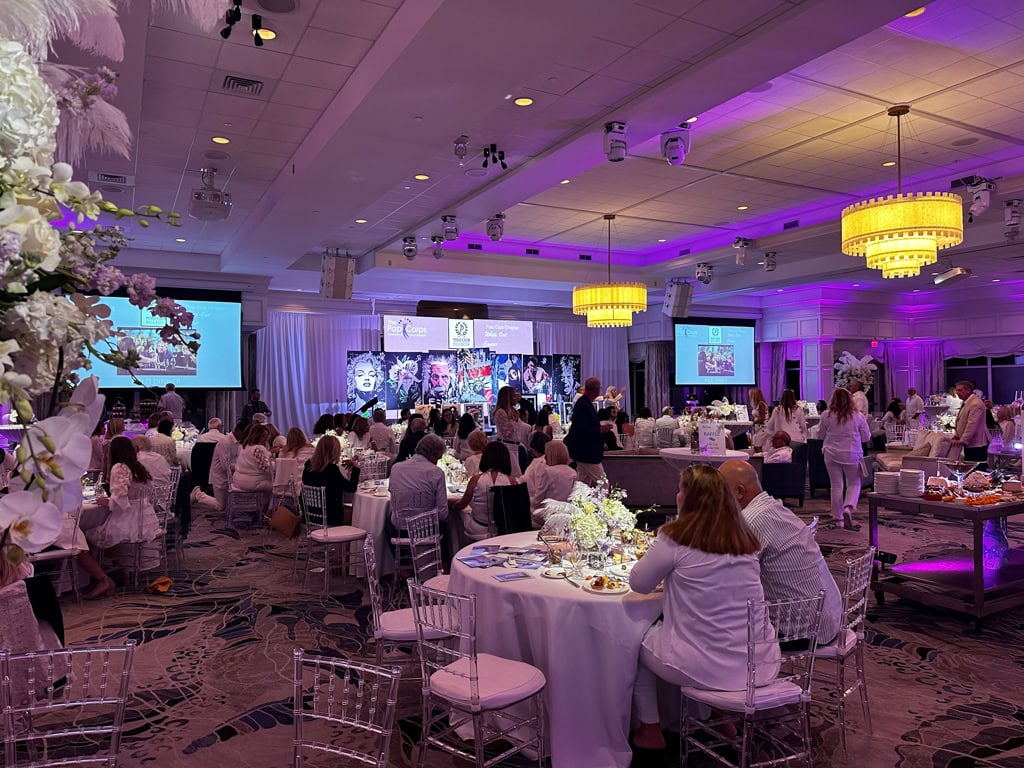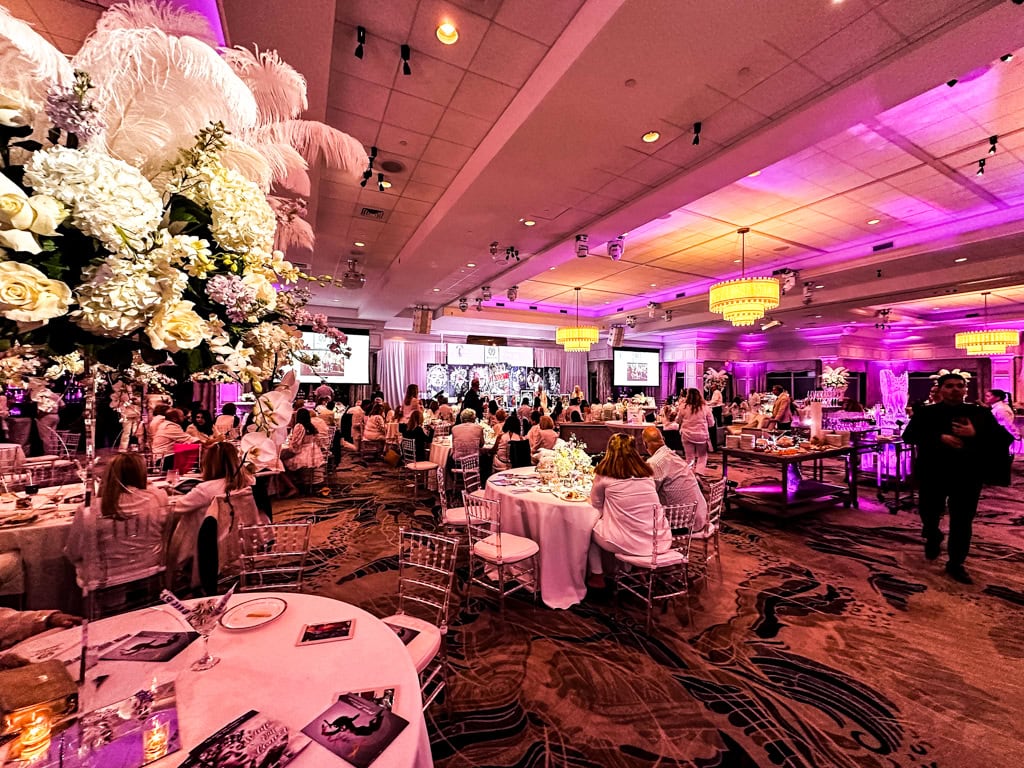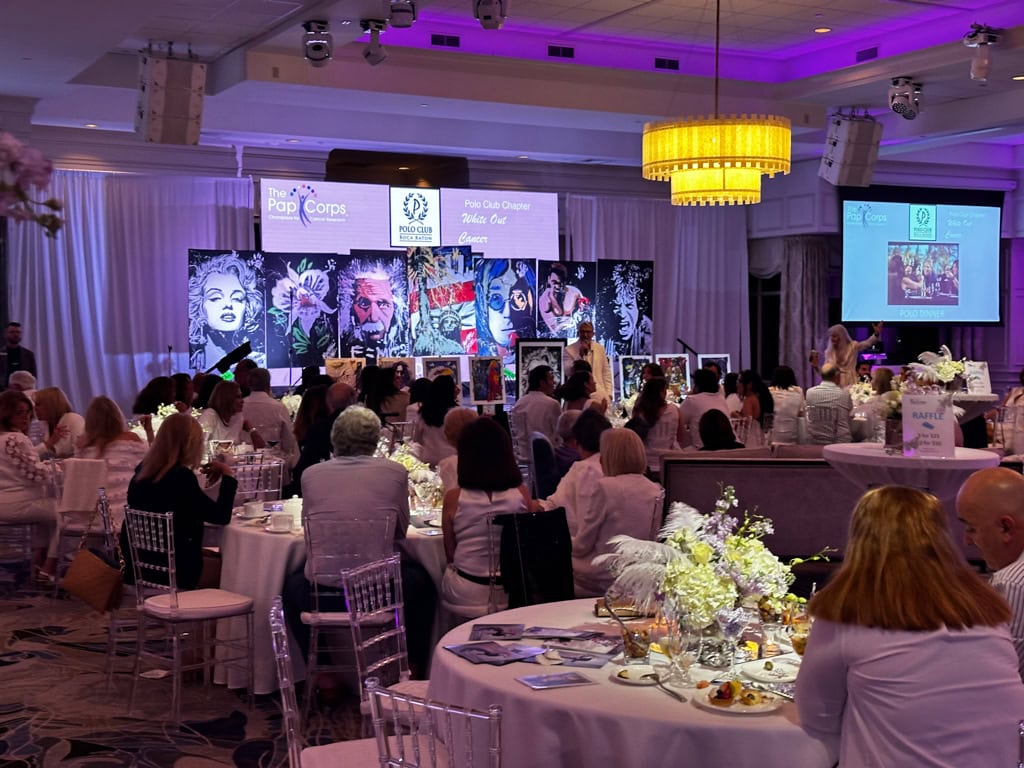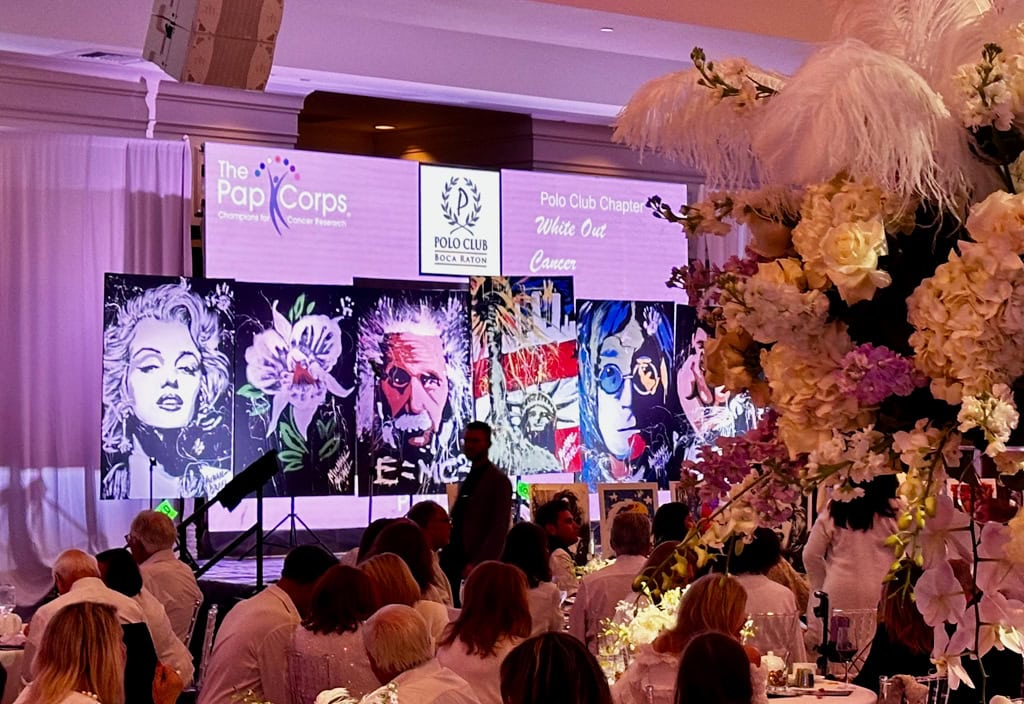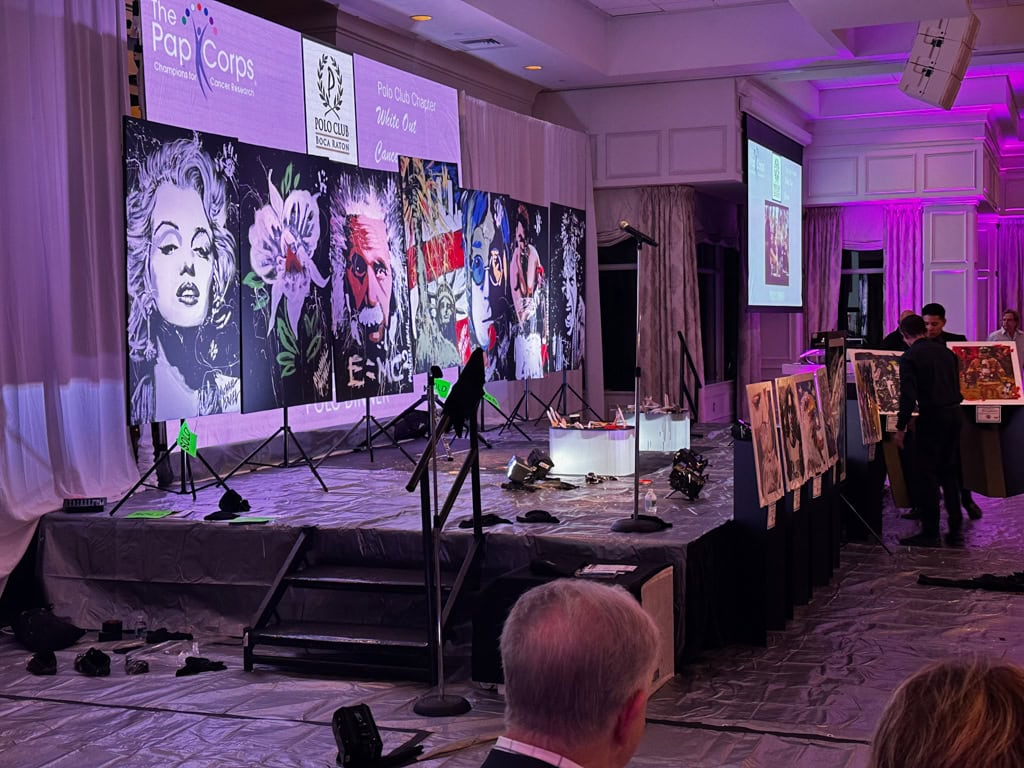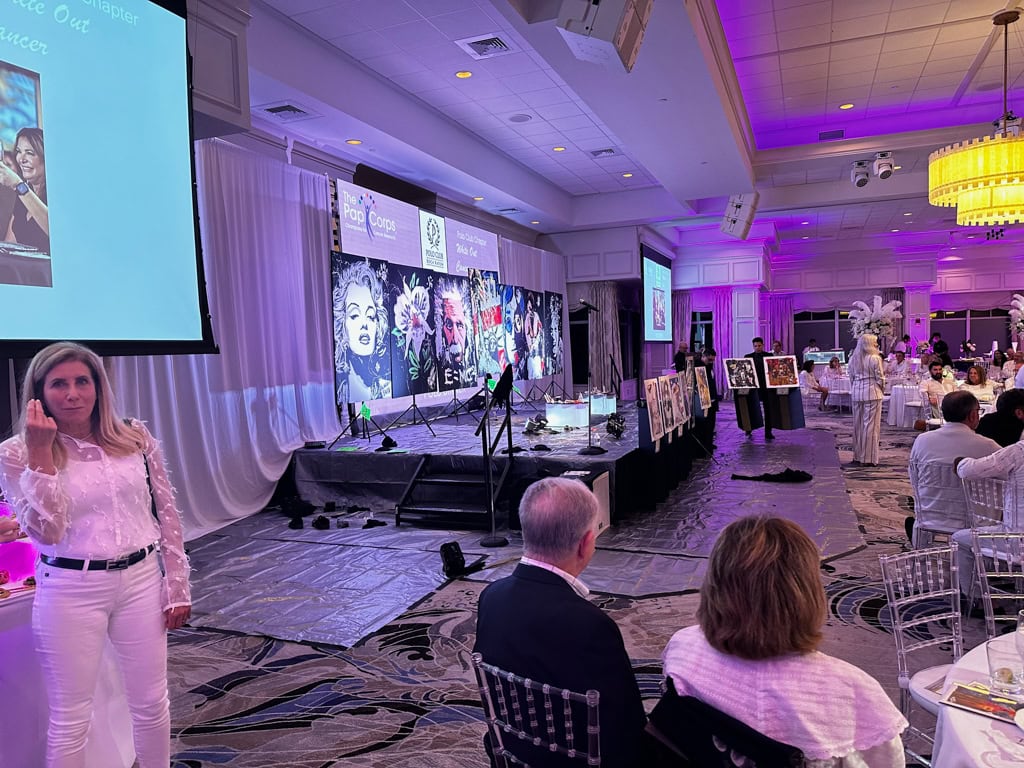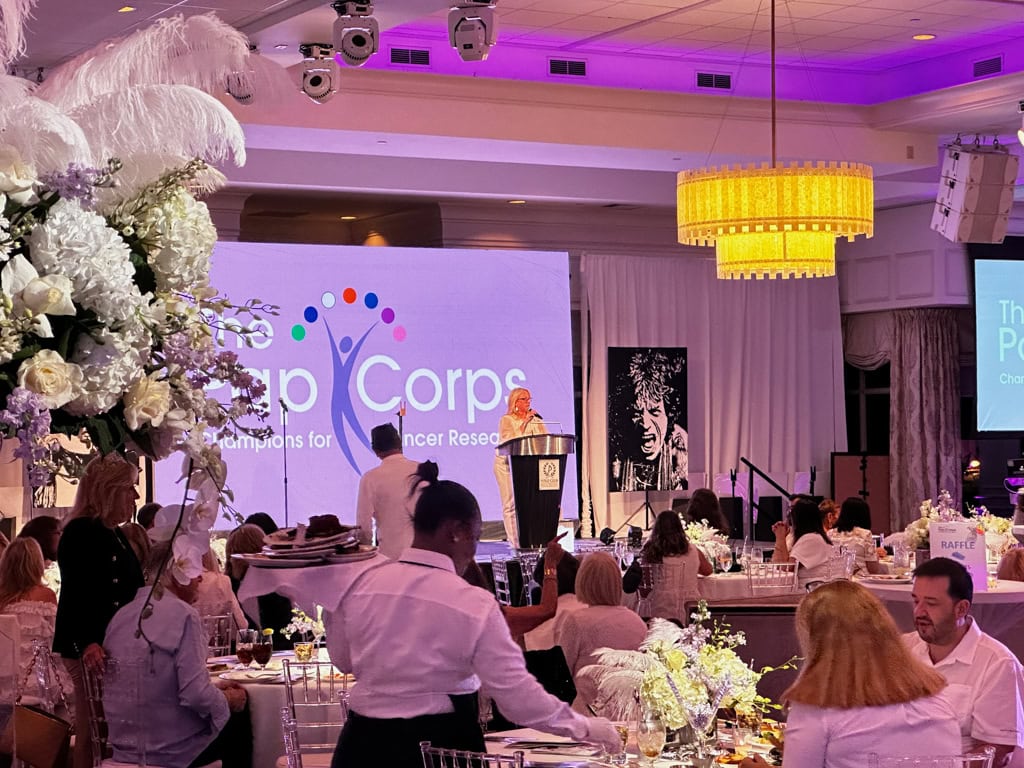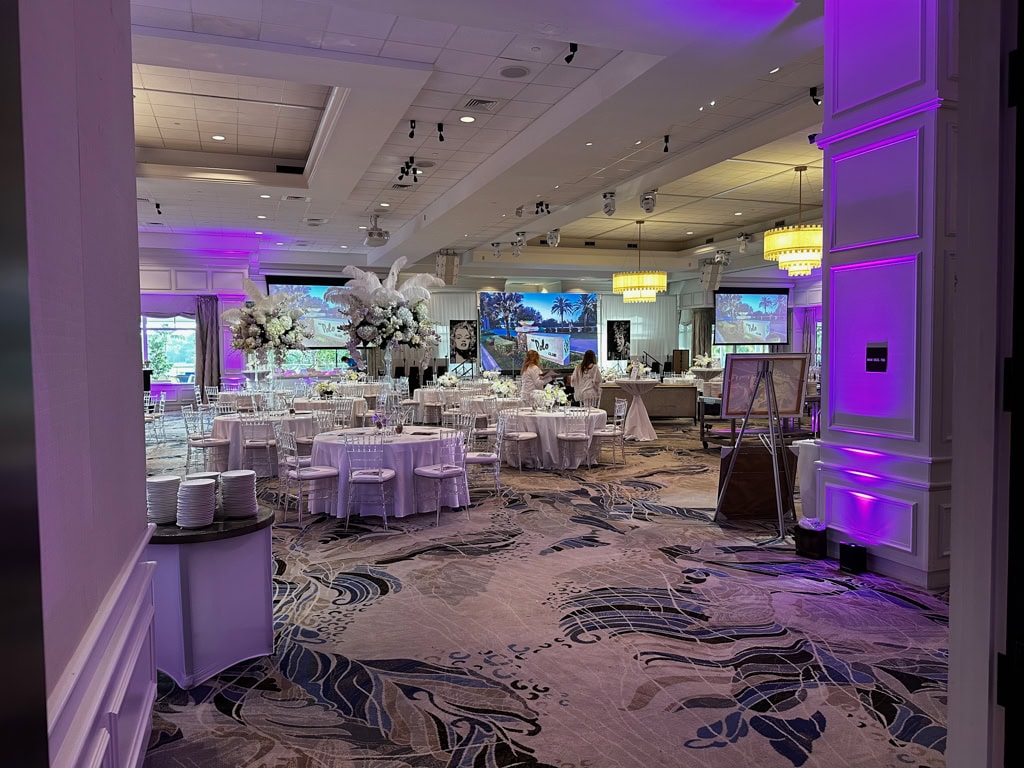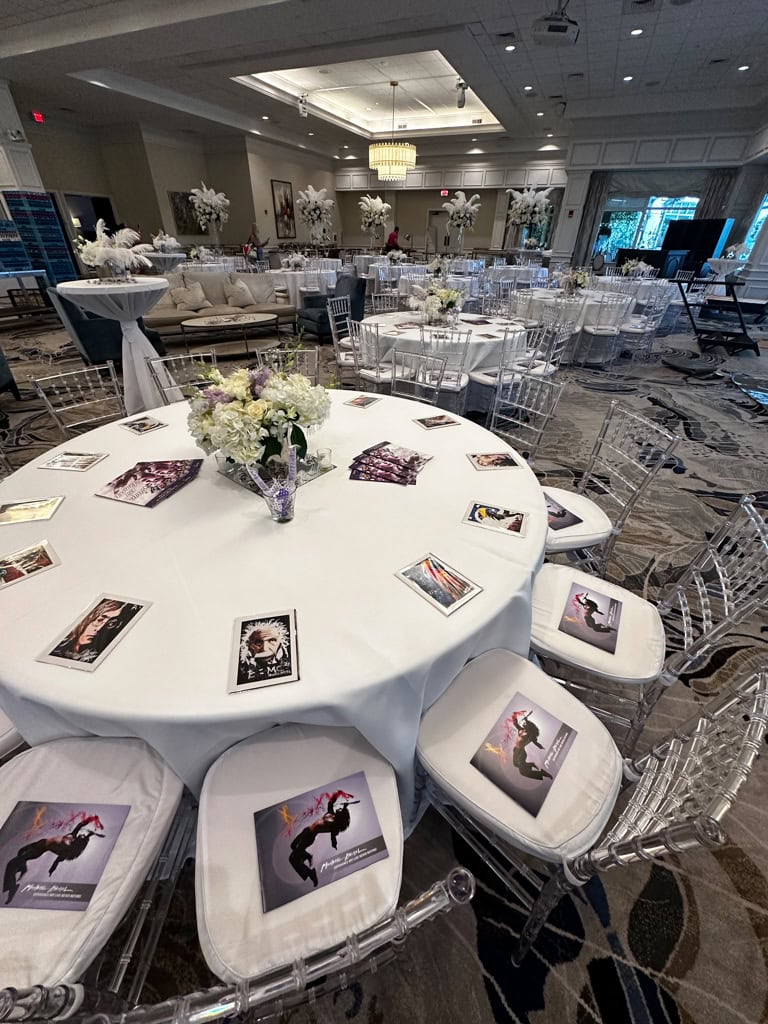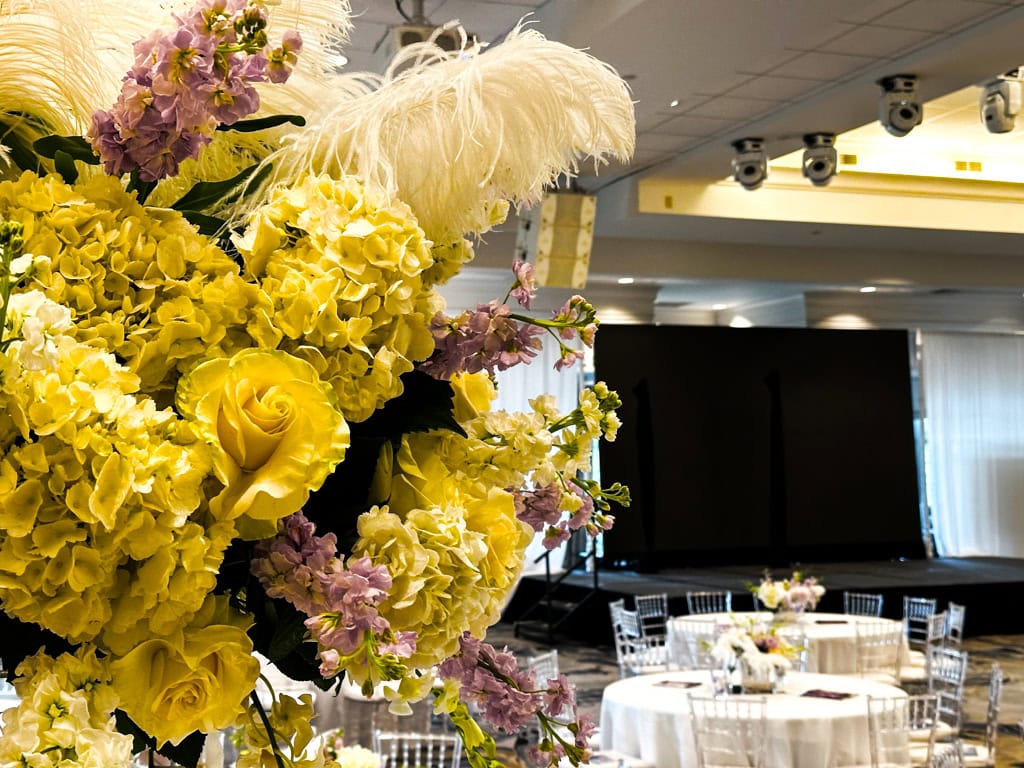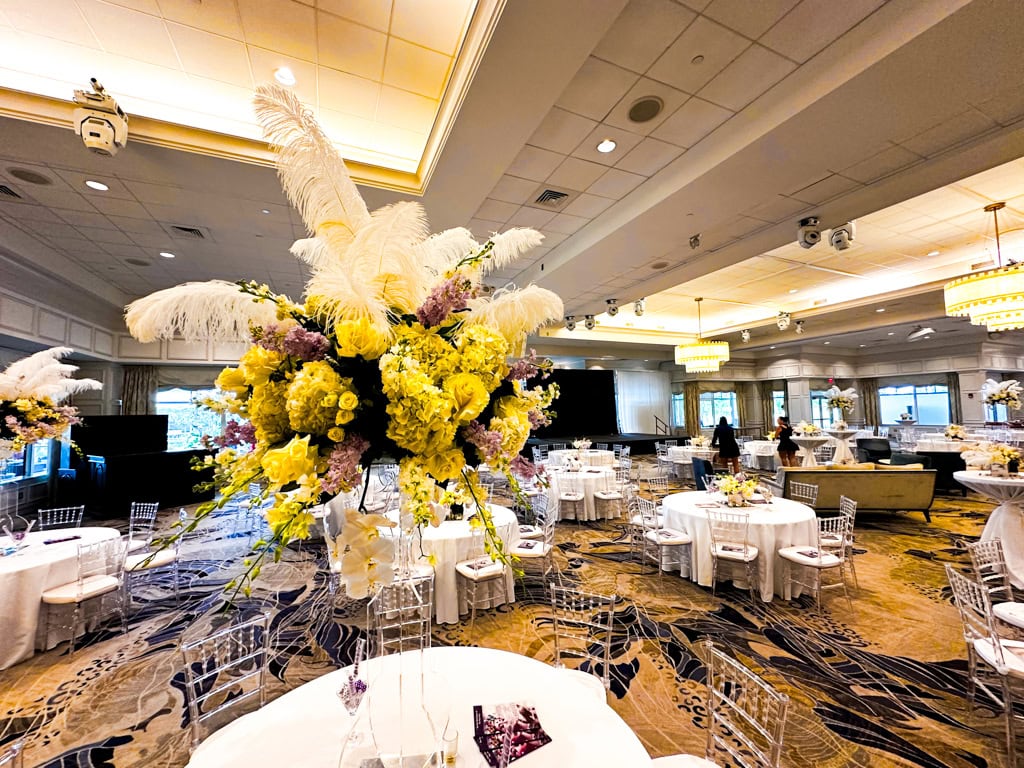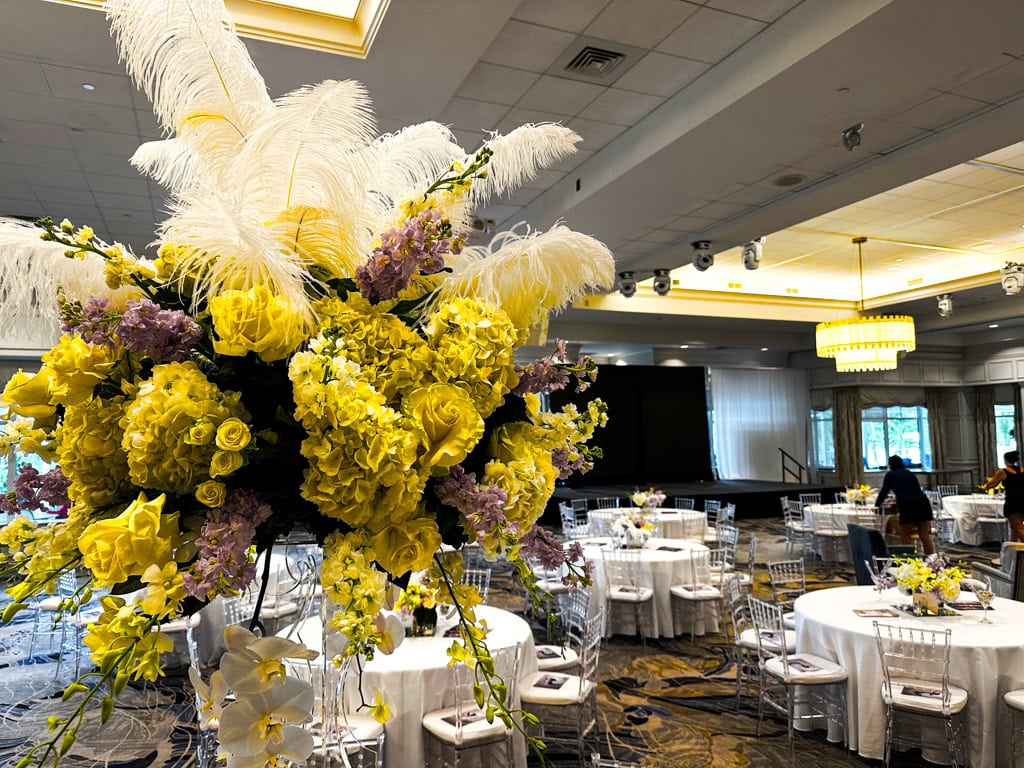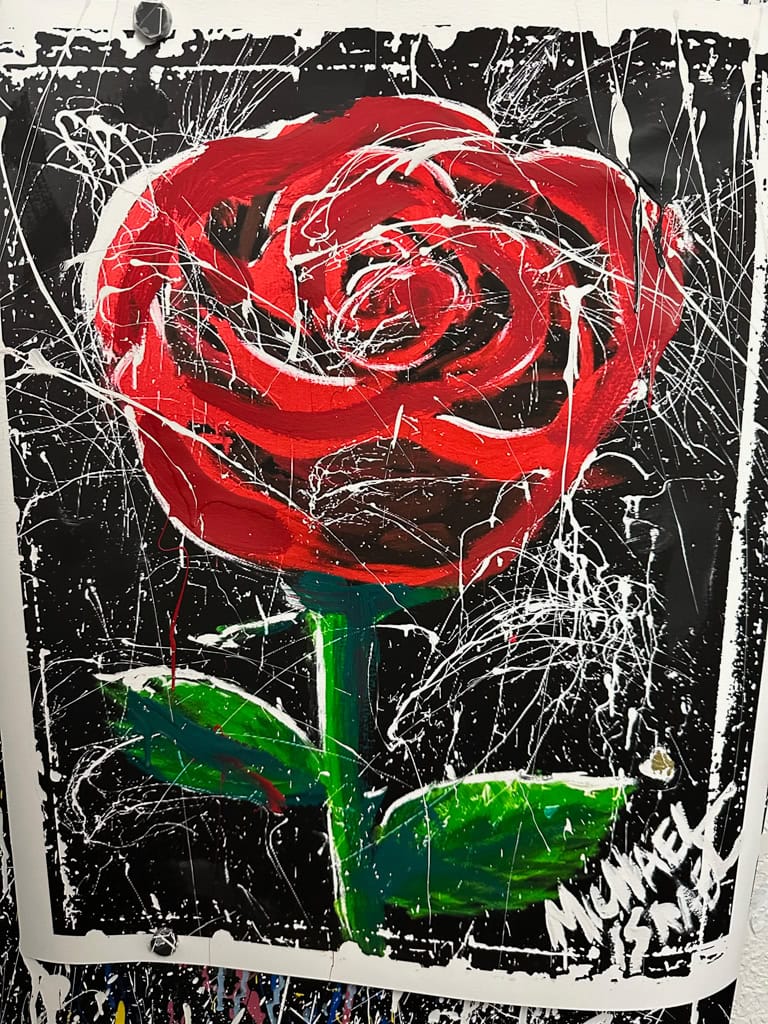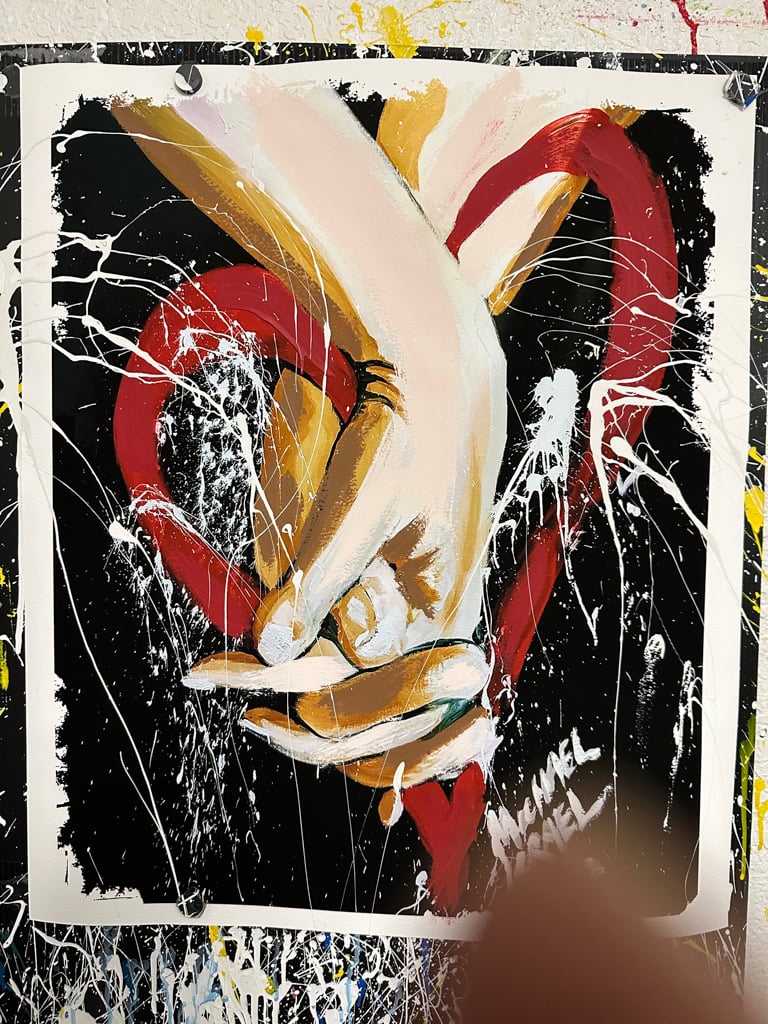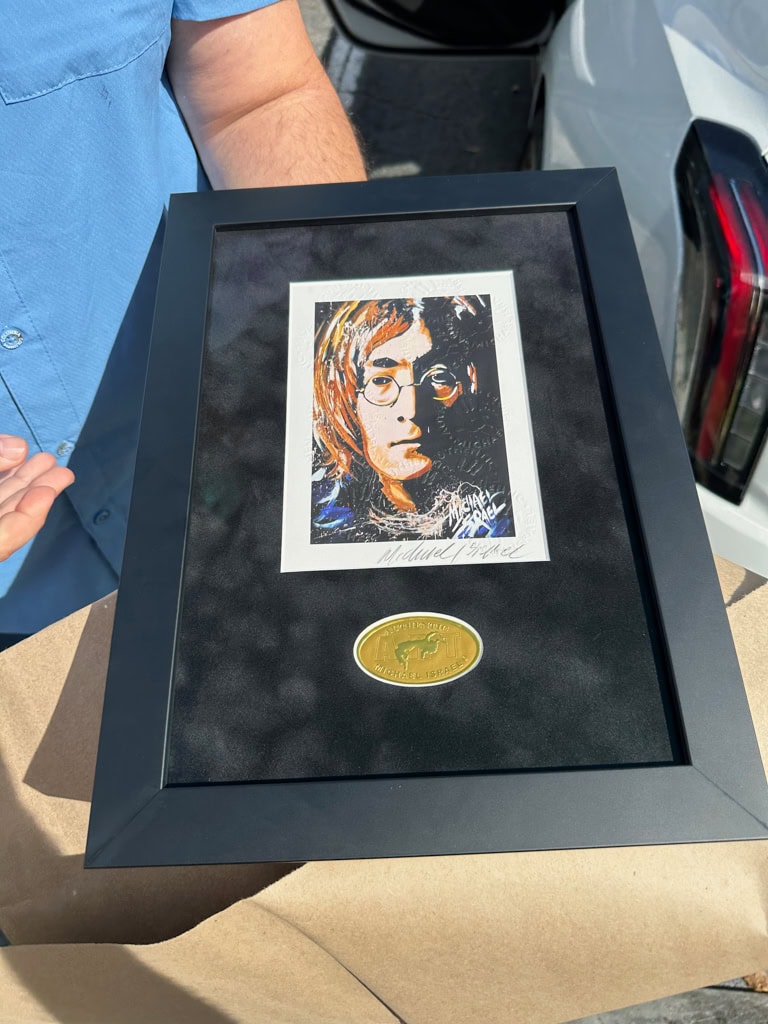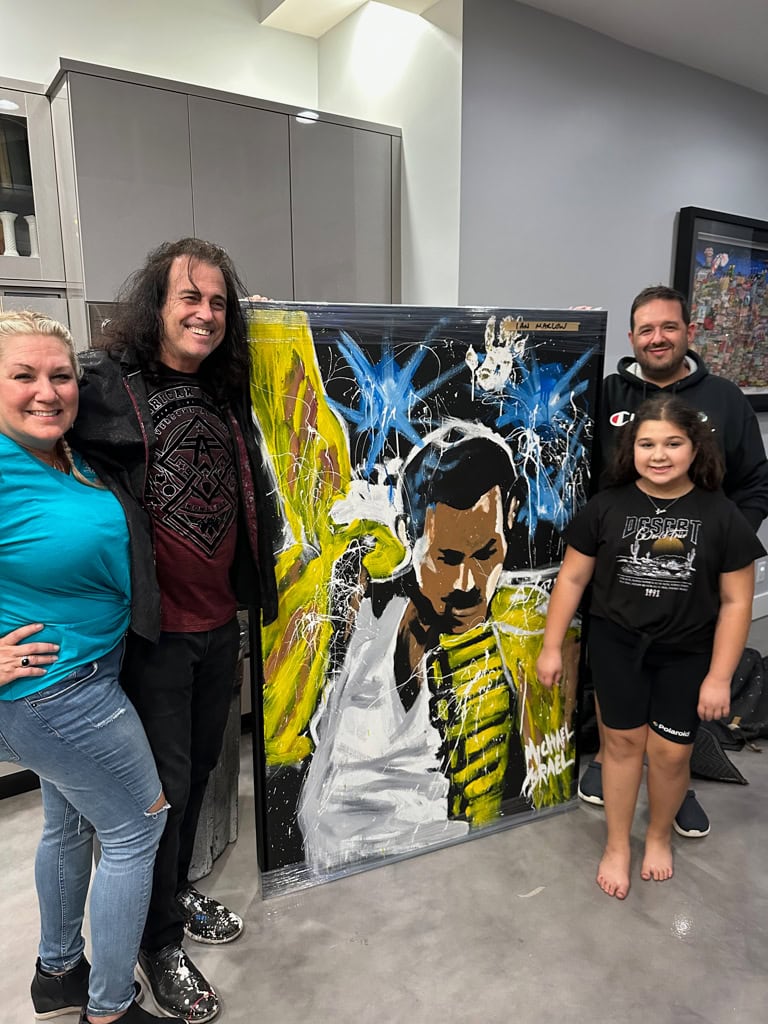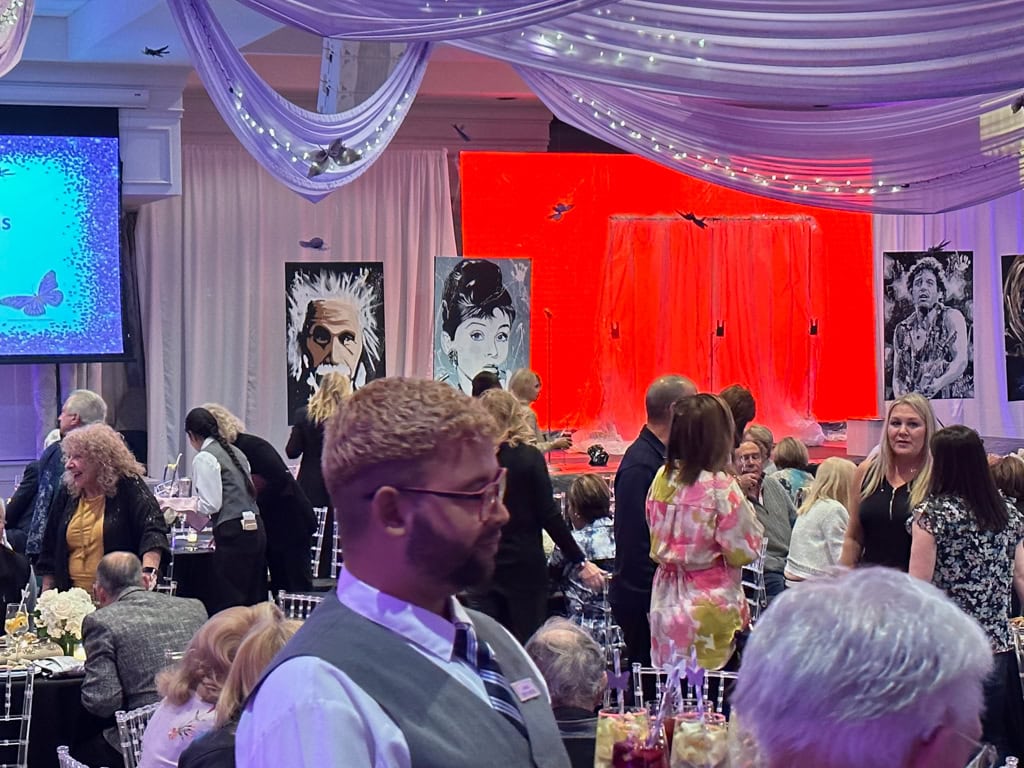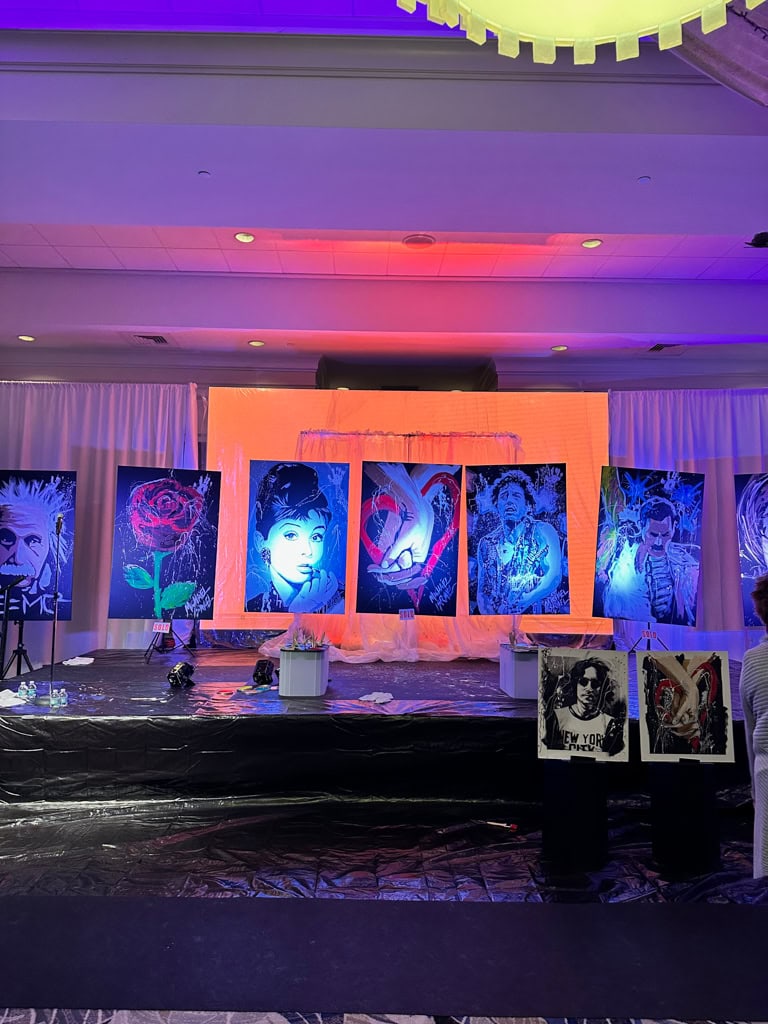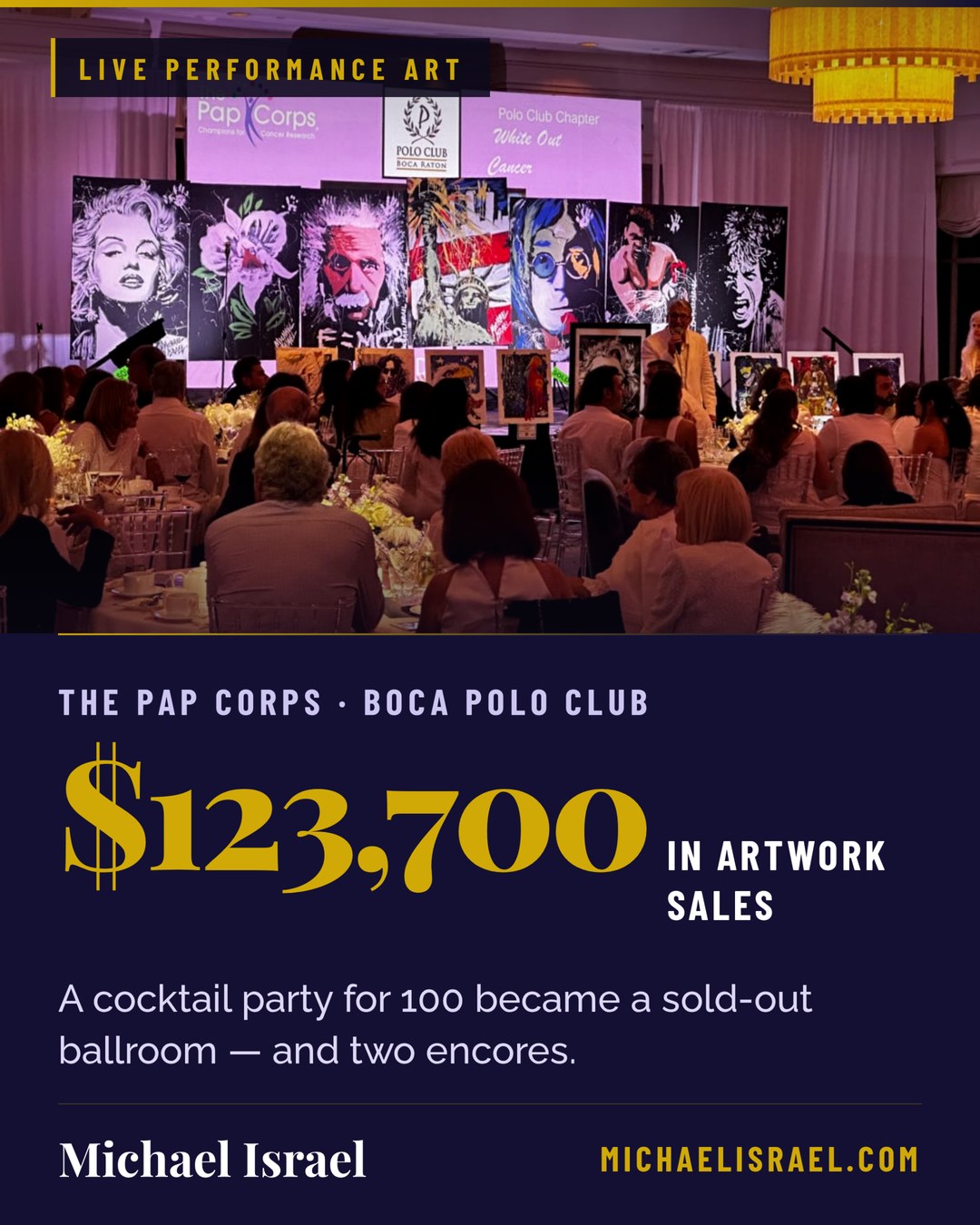
It was booked as a cocktail party for about a hundred guests. Once word spread that Michael Israel would be painting live, nearly 400 RSVPs came in and the Polo Club chapter moved the whole evening into the grand ballroom.
By the end of the night the room had bought $123,700 worth of artwork for The Pap Corps Champions for Cancer Research — and asked him back for two encore performances.
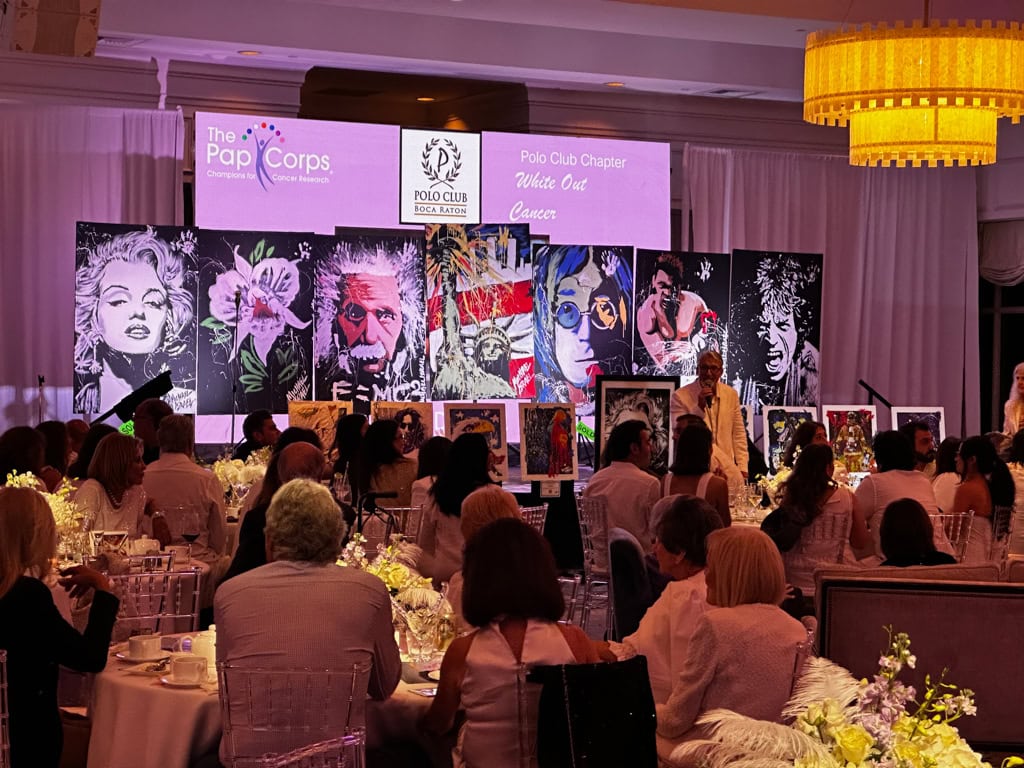
Why the room moved
A cocktail party has no stage and no reason for anyone to stop talking. A live performance does. The moment the chapter announced the painting, the evening stopped being a reception and became a show with a reason to stay seated — and an auction with something in the room to bid on.
That is the whole mechanism. Guests do not bid on a description of a painting in a program. They bid on the piece they watched appear, twenty feet away, forty minutes earlier.
What the artwork did
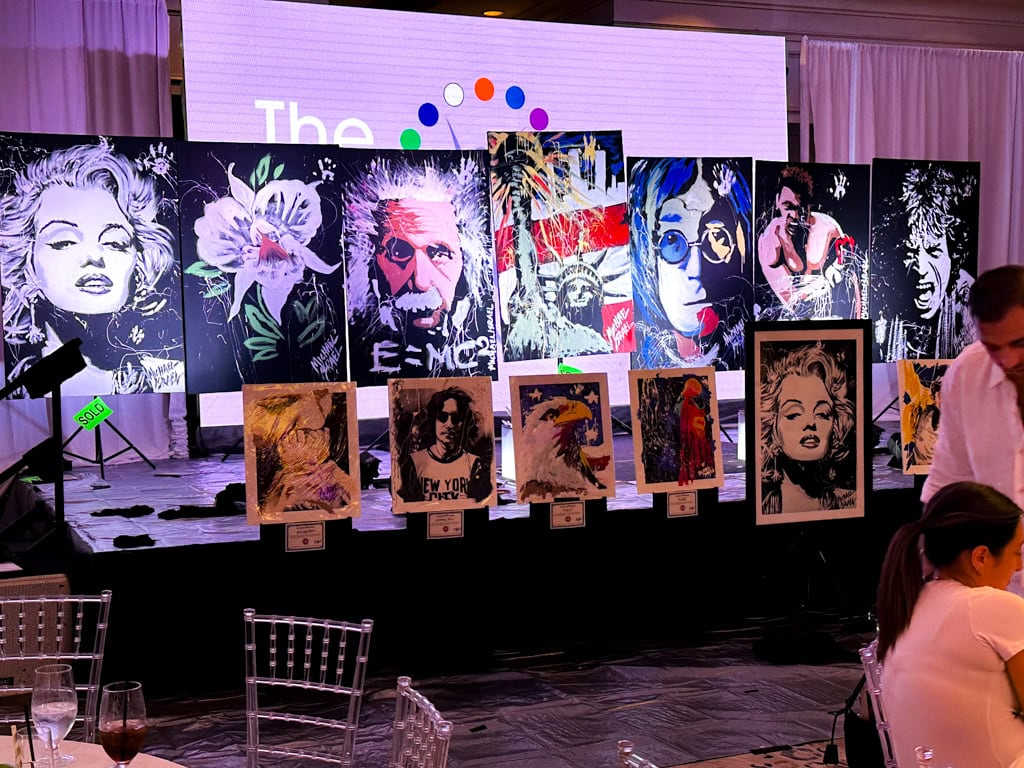
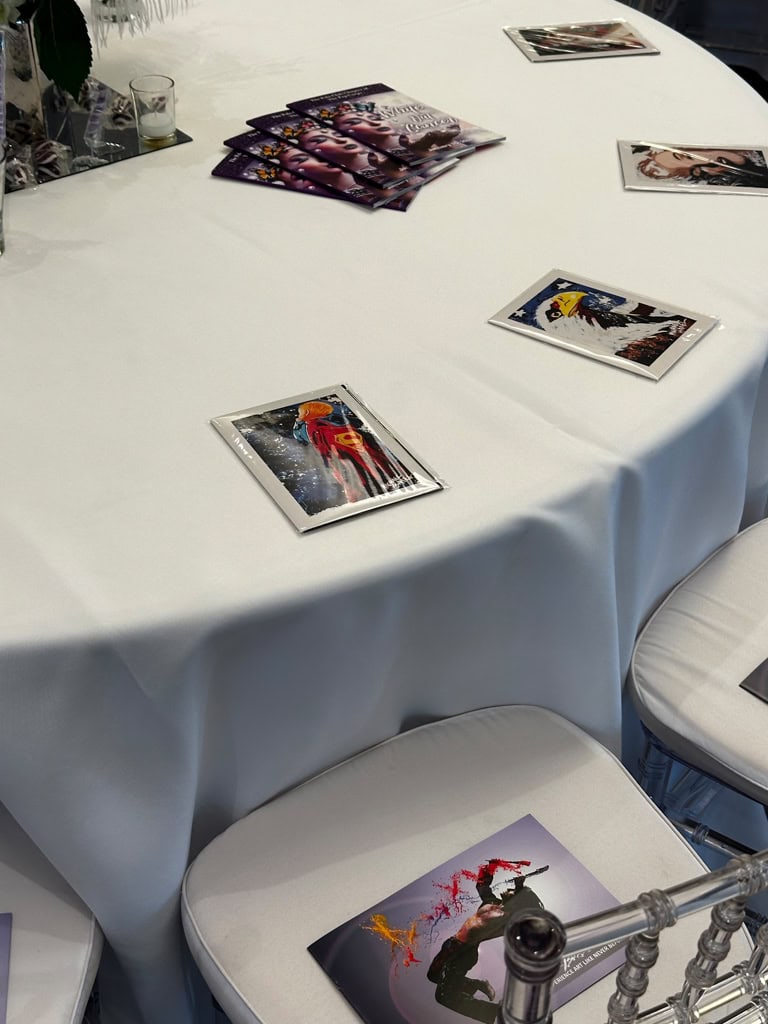
The chapter collected $123,700 from artwork sales across the evening. Smaller works on paper sold alongside the large canvases, which is what lets a room give at every level instead of only at the top.
Two encore shows followed. This night was the first of three events supporting The Pap Corps and its partnership with the Sylvester Comprehensive Cancer Center.
Who The Pap Corps are
The Pap Corps’ history runs back more than six decades, and it explains why this particular audience gives the way it does.
Dr. Papanicolaou and the Pap smear
In 1928, Dr. George Papanicolaou introduced a technique for diagnosing cervical cancer that became known as the Pap smear. In 1952 he persuaded the National Cancer Institute to run a large-scale trial of it. Those trials led to the Pap test, which has saved countless women’s lives.
From a small group of activists to a national force
Also in 1952, a small group of cancer-cure activists — driven by how little early detection and treatment then existed — formed with a single goal: raise money for the Dade County Cancer Institute. In 1961 Dr. Papanicolaou was invited to Miami to lead the institute, renamed the Papanicolaou Cancer Research Institute in 1962. The activists became The Papanicolaou Women’s Corps, and are known today as The Pap Corps Champions for Cancer Research.
Funds raised at evenings like this one go directly to research and treatment at Sylvester, across every form of cancer.
The evening in photographs